
If there is one oil that people treat with a little extra reverence, it's Frankincense. Oil lovers often call it the "King of Oils," and every time I open a bottle I understand why. Its warm, earthy, balsamic aroma feels ancient and calming all at once. Here is where the nickname comes from, how this precious oil is made, and how I like to use it.
A gift fit for a king
Frankincense has been prized for thousands of years. It is the dried resin of Boswellia trees, which grow in harsh, dry landscapes in southern Arabia, the Horn of Africa and India. In the ancient world the resin was burned as incense in temples, blended into perfumes and carried along long caravan routes to markets far away. In southern Oman, the frankincense trees of Wadi Dawkah and the remains of the old caravan oasis and trading ports along the incense route are protected by UNESCO as the "Land of Frankincense" World Heritage site.
Most of us first heard of frankincense in the Christmas story. In the Gospel of Matthew, the Magi bring the infant Jesus gifts of gold, frankincense and myrrh. The fact that it was offered right alongside gold tells you how treasured it was.
So "King of Oils" isn't a scientific term. It's a nickname earned through that long history of reverence and value, and through how wonderfully versatile the oil is today.
From tree to bottle
Harvesting frankincense is still largely done by hand. Harvesters make small, shallow cuts in the bark, and the tree slowly seeps a milky resin that hardens into pale "tears" over the following days and weeks. The tears are collected and sorted, and the essential oil is steam distilled from the resin.
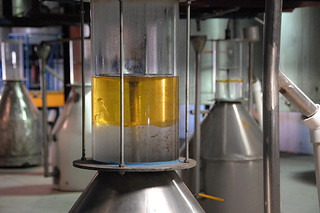
Steam distillation separates the aromatic oil from the water. With frankincense, the oil comes from hardened tree resin rather than leaves or flowers.
It's worth knowing that the essential oil and the resin are not the same thing. Steam distillation captures the light, aromatic compounds, such as alpha-pinene and limonene, that give frankincense its fresh, piney top notes and warm depth. Heavier compounds you may read about, like boswellic acids, stay behind in the resin and are not present in meaningful amounts in the distilled oil. That's a good reason to be careful with claims online that mix up the two.
Young Living offers both Frankincense (Boswellia carterii) and Sacred Frankincense (Boswellia sacra), which is distilled from resin harvested in Oman. If you've read about the Seed to Seal process on this site, you know how much care goes into sourcing and testing every oil, and precious resin oils like these are no exception.
How I use Frankincense
- Quiet time and meditation. Frankincense is the oil I diffuse during prayer, journaling or a few still minutes in the morning. Its aroma is grounding and helps me settle in. You can learn more about diffusers in my post on diffusing essential oils.
- My skin care routine. Frankincense is a featured ingredient in many Young Living skin care products. I add one drop to a pump of unscented moisturizer or to a few drops of carrier oil for a fragrant evening facial massage.
- Blending. It's a wonderful team player. Frankincense rounds out citrus oils, deepens Lavender and adds warmth to woodsy blends.
- A simple perfume. One drop of Frankincense and one drop of Lavender in a 10 ml roller bottle topped up with carrier oil makes a soft, grown-up scent.
- Holiday atmosphere. At Christmastime I diffuse Frankincense with Orange and a single drop of Cinnamon Bark for the coziest house on the block.
Favorite Frankincense diffuser blends
| Blend | Drops | When I use it |
|---|---|---|
| Quiet Morning | 3 Frankincense + 2 Lavender | Prayer, journaling and slow coffee |
| Bright and Grounded | 3 Frankincense + 3 Lemon | Busy mornings at the desk |
| Evening Woods | 2 Frankincense + 2 Cedarwood + 1 Lavender | Winding down after dinner |
| Holiday Hearth | 3 Frankincense + 3 Orange + 1 Cinnamon Bark | December gatherings (diffuser only) |
Cinnamon Bark is a "hot" oil, so I keep that last blend for the diffuser and never put it on my skin.
Choosing a quality Frankincense
Because frankincense is precious, it's also a target for cheap imitations and heavily diluted products. A few things I look for: the botanical name on the label, a company that can tell you where its resin comes from and how its oils are tested, and a price that makes sense for a resin oil. A suspiciously cheap bottle of "frankincense" is a red flag. I share more questions worth asking in Twelve Questions to Ask an Essential Oil Company.
Using Frankincense safely
- Dilute for topical use and do a patch test on your forearm before using it on your face. Follow the directions on the label.
- Keep it away from eyes and mucous membranes. If you need to dilute oil on the skin, reach for a carrier oil, not water.
- Store it well. Keep the cap tight and the bottle away from heat and sunlight. Like other oils rich in pinene and limonene, frankincense can oxidize as it ages, and oxidized oils are more likely to irritate skin.
- Children and pets. Dilute more for children and keep bottles out of reach. Diffuse in a room your pets can leave, and talk to your veterinarian before using oils around cats in particular.
- Pregnancy, nursing and medications. Ask your health care provider before using essential oils if any of these apply to you.
The full Essential Oil Safety Guide covers dilution, hot oils and sun sensitivity in more detail.
Where to start
Frankincense is one of the 12 oils in the Premium Starter Kit, which makes the kit an easy way to bring the King of Oils home along with a diffuser and a wholesale membership. See what's included on my How to Order page. Once you have a bottle, I'd love for you to try it during a quiet moment of your own. I think you'll see why it has been treasured for so long.
Blessings,
Melissa